Key takeaways
- The Office for Budget Responsibility forecast health and social care spend at £204 billion for 2025/26 (around 15% of total public spending, making it the single largest item of day-to-day government spending)
- A decade of rising investment has not improved output: productivity is down 12-15% and public satisfaction has fallen from 70% in 2010 to 26% in 2025.
- Strategic commissioning – planning, funding and evaluating health services around population need, is central to delivering the NHS 10 Year Plan’s three shifts: hospital to community, sickness to prevention, and analogue to digital.
- This article sets out a practical, cyclical five-step framework aligned to the NHS England Strategic Commissioning Framework: (1) understand your population, (2) identify optimisation opportunities by cohort, (3) prioritise quick wins to generate headroom, (4) invest in longer-term programmes, and (5) evaluate outcomes and feed the findings back into the next cycle.
- The principle: generate financial headroom from within existing resources, rather than waiting for new funding.
- Real-world analysis shows the scale of the opportunity – for example, place-based benchmarking shows a savings opportunity of £28 million by standardising costs per capita for each point of delivery (POD) to the ICB best value benchmark for the non-core 20 65+ population between two places in the same ICB. The scale of the opportunity grows exponentially when applying this to all cohorts and ICBs across the country.
The case for change
The NHS Constitution includes a commitment to providing the best value care possible per pound spent and ensuring an effective, fair and sustainable use of resources. This is crucial given that the Office for Budget Responsibility forecast health and social care spend at £204 billion for 2025/26 (around 15% of total public spending, making it the single largest item of day-to-day government spending) [1].
In reality, despite £18 billion more being spent on acute care over the last decade, additional resources have not generated extra output. Productivity has dropped 12-15% in this time [2], performance has declined and public satisfaction has collapsed from 70% in 2010 to just 26% in 20253 (illustrated in Figure 1).
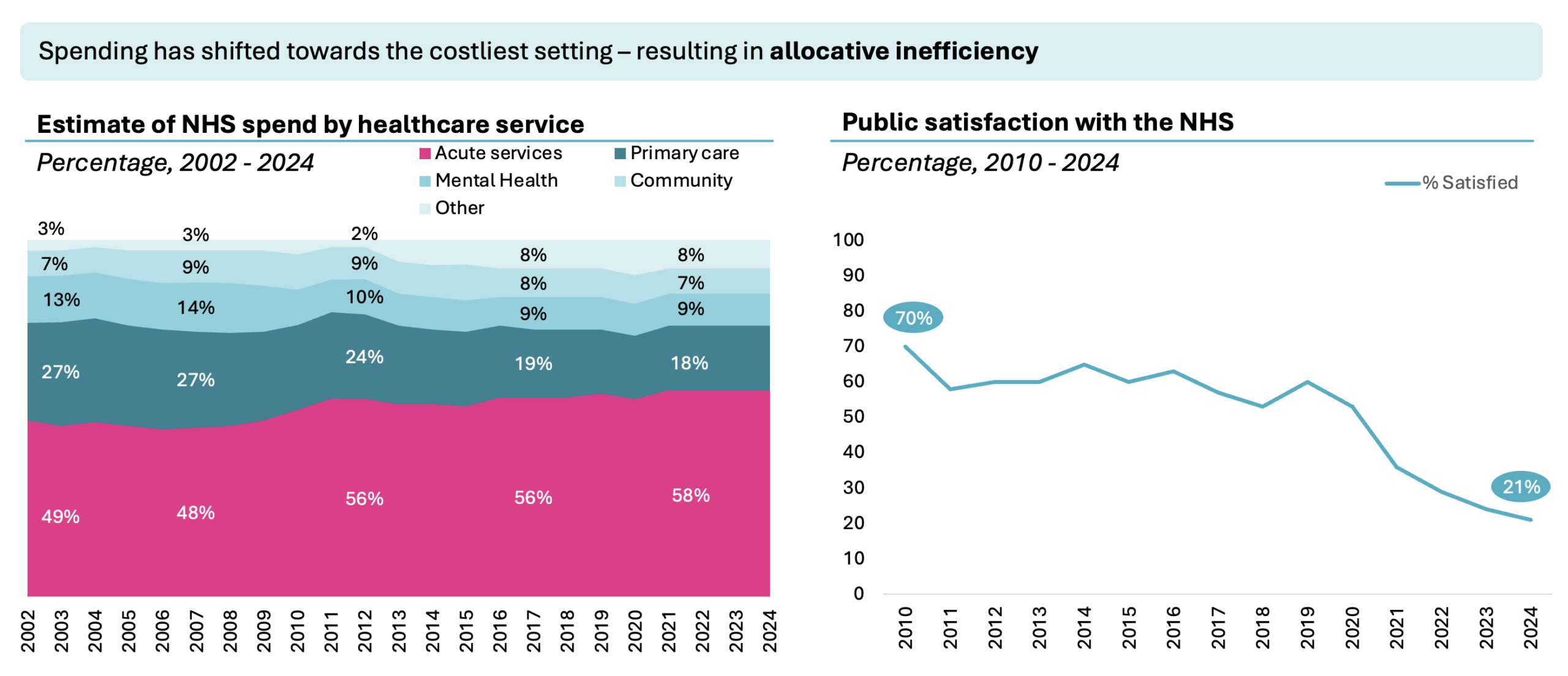
Figure 1 – Rising acute spend has not translated into improved performance, resulting in a decade-long divergence of NHS inputs and outcomes
A framework for transformation
The NHS needs to recover from this performance crisis and transform how care is delivered within a financial settlement that requires explicit choices. The 10 Year Plan is the Government’s response to this challenge, setting out how to rebuild the health service through three strategic shifts: from hospital to community, sickness to prevention, and analogue to digital. Strategic commissioning is crucial to achieving this and setting the NHS on a more clinically and financially sustainable footing.
The NHSE Strategic Commissioning Framework describes four stages to achieve this:
- Understanding the local context and population
- Developing a long-term population health strategy co-design with providers, local government, clinicians and communities
- Delivering the strategy through the payor function and resource allocation using payment models that incentivise outcomes, quality and prevention
- Evaluating impact in a data-driven way, with feedback loops embedded
The challenge for ICBs is using this Framework to deliver the three shifts within a constrained financial environment. The solution is to enact change by taking a considered, prioritised approach that also creates the financial headroom required to invest differently.
The process below provides a way to navigate the situation. It starts with understanding the population and their healthcare resource utilisation at a person-level, then identifying opportunities for improved value at a cohort-level, before taking a phased approach to delivery. First create financial headroom by focussing on changes where the return on investment is swift before moving to those where the benefits take longer to be realised (although they are often far greater). Finally, the loop is closed with evaluation that feeds back into the next cycle (as illustrated in Figure 2). The steps are deliberately cyclical rather than linear, reflecting the reality that population needs, evidence and opportunities change over time.
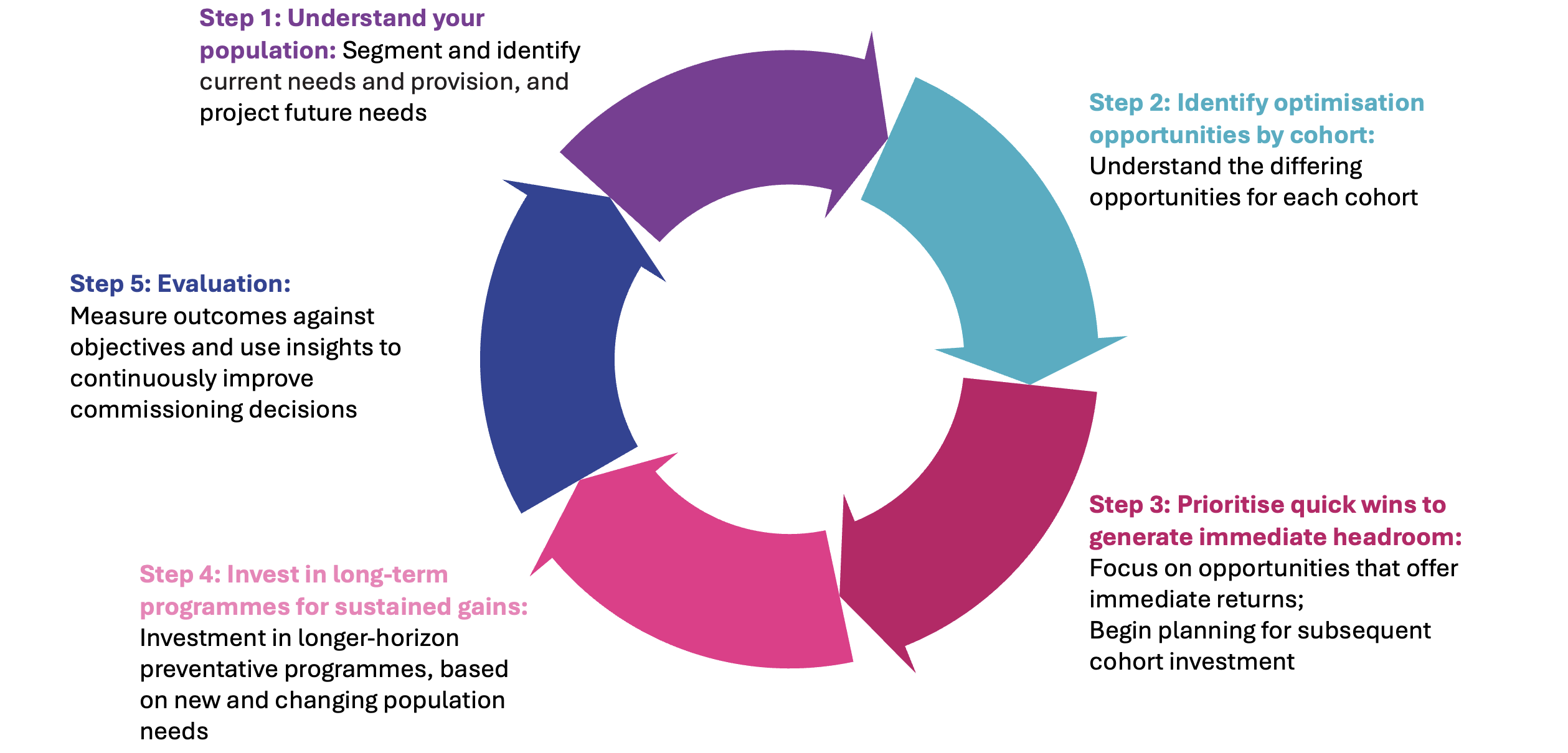
Figure 2 – The five steps of intervention implementation, from understanding the population through to evaluation
Step 1: Understand your population
Effective commissioning starts with a granular view of who is in the local population, their needs, and where current care falls short. Segmenting your population by health status and age band (as illustrated in Figure 3), leveraging integrated data and sense-checking against national reference points, generates a view of cohort size and current healthcare resource utilisation. Longitudinal data and demographic forecasts are then combined to predict changing needs over time. This creates a foundation for commissioning.
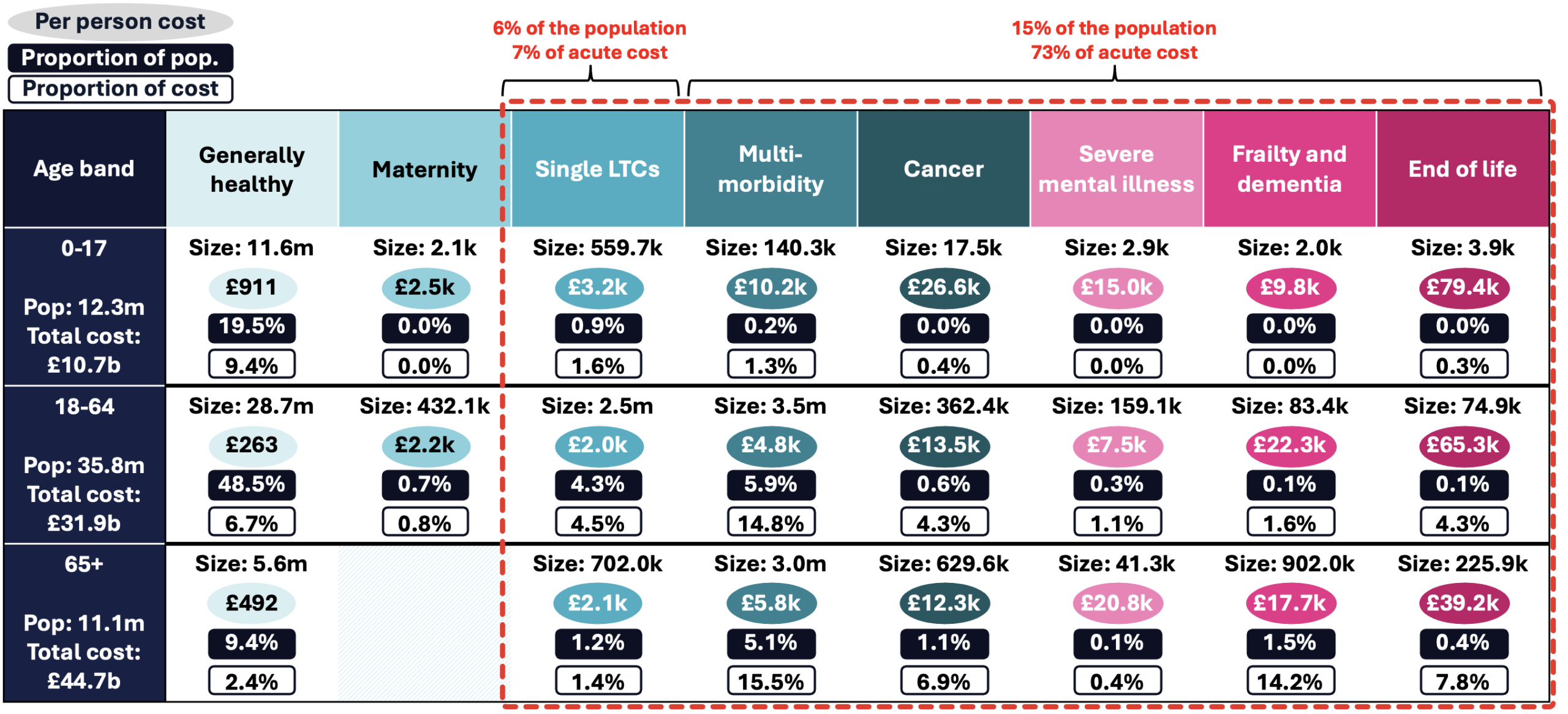
Figure 3 – Population segmentation for an ICB made using CF’s Health Strata© to map health status and age against utilisation, revealing where need and resources are concentrated
Alongside segmentation, opportunity analysis identifies where unwarranted variation, care gaps or sub-optimal pathways point to opportunities to improve quality and efficiency and thus maximise value. Analysis should use IMD to surface inequalities, and tie back to value in both health and resource terms. A robust “Understand your population” stage sets commissioning up for success by ensuring effort is directed towards the places and segments of the population with the greatest unwarranted variation – the poorest outcomes relative to the resource utilisation.
Figure 4 illustrates variation in cost per capita for the non-core 20 (therefore standardised for IMD), 65+ population living with frailty and dementia, for each point of delivery (POD) between two places in the same ICB.
The analysis indicates, for example, a £1,852 difference in terms of the cost of care per head for people with the same level of need even when accounting for quality, driven by unwarranted variation in care between places. Standardisation of costs per capita (for example by moving to more proactive, coordinated care for high-risk individuals in the higher cost places) presents a savings opportunity of c. £28m within one cohort in one ICB. Similar patterns are seen across the country.
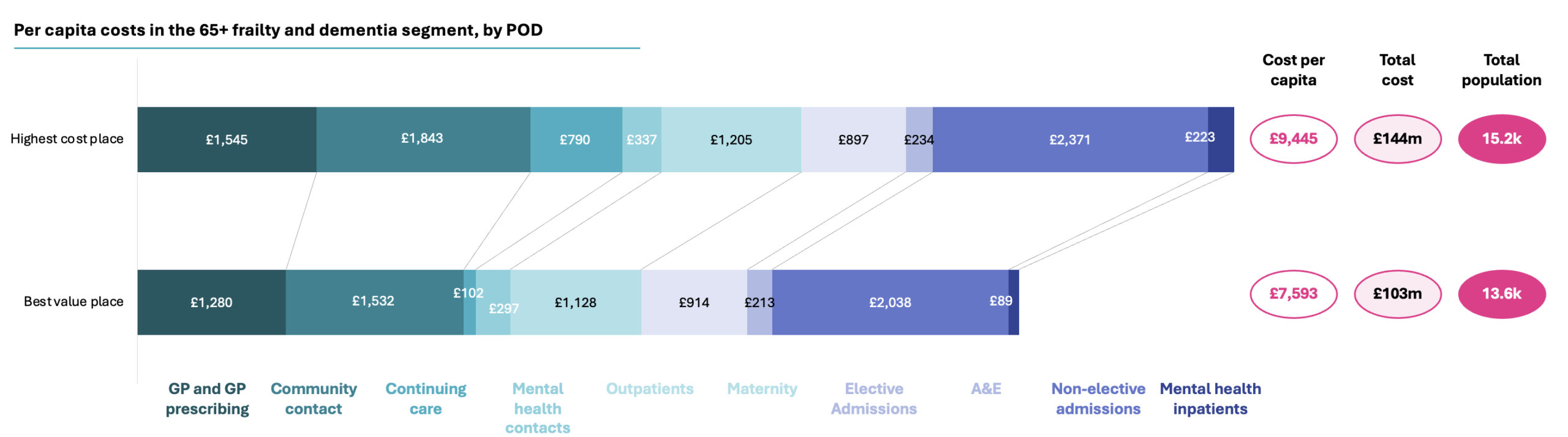
Figure 4 – Per capita costs can vary widely between places, even when comparing individuals with the same level of need and same level of deprivation
Step 2: Design optimisation opportunities by cohort
Once opportunities have been identified, the next stage of the commissioning cycle is to design how to realise them and develop a forward-thinking population health strategy. Each cohort requires distinct transformation levers matched to its need and cost profile, so the commissioner must use the understanding developed in Step 1 to identify the opportunities for each cohort and design a care model that addresses them; a clear view of unwarranted variation should therefore be translated into specific, evidence-based intervention(s), rather than a generic ambition.
Designing these changes requires commissioners to work alongside clinical colleagues in providers, collaborating to and using evidence and NICE guidelines to inform decisions on the best approach for each cohort. This co-design is also what makes later payment reform possible: the care model designed here shapes the local payment approach needed to sustain it.
The output of this stage is a set of designed opportunities and care models across cohorts, each with a sense of the investment required and the timeframe over which returns are likely, which can then feed the prioritisation and sequencing decisions in Steps 3 and 4.
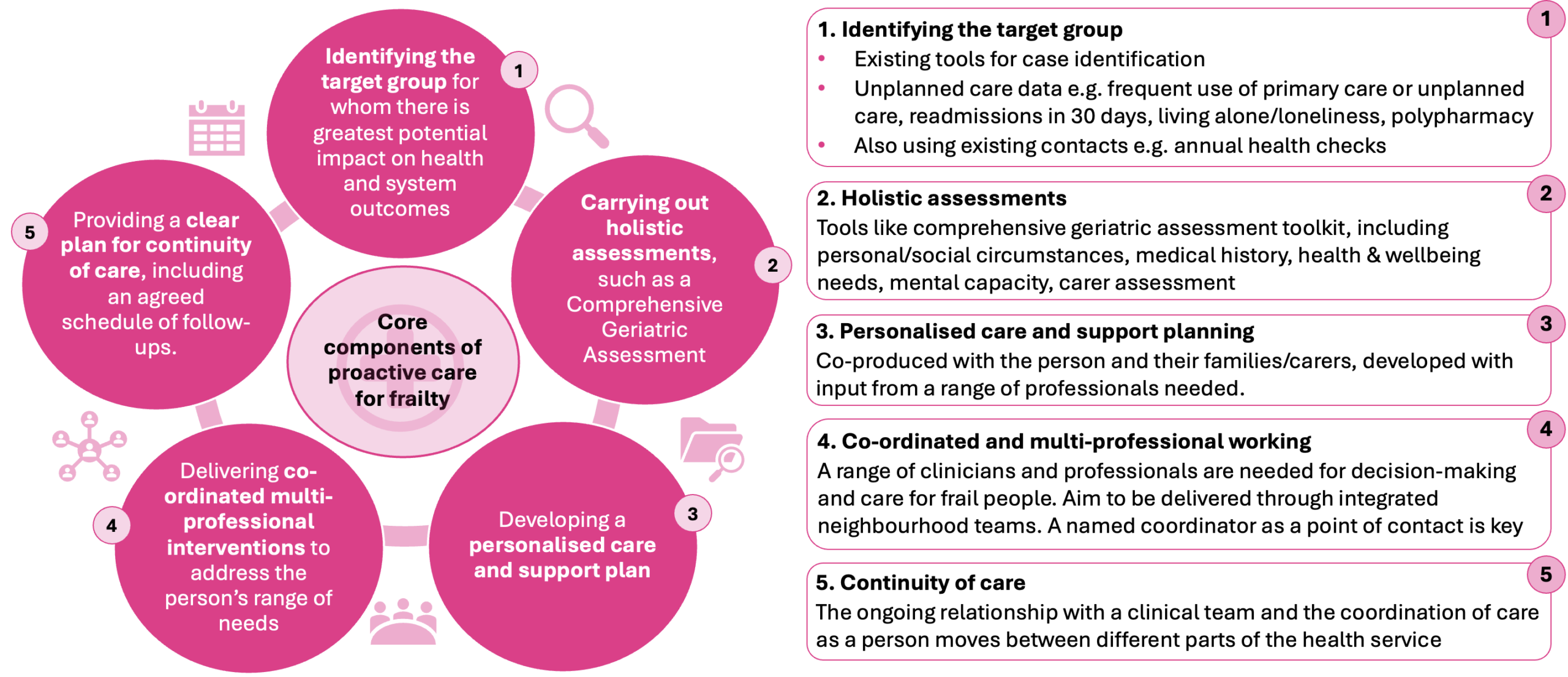
Figure 5 – An example approach for a proactive care model specific for the frailty cohort, based on NHS Guidance
Step 3: Prioritise quick wins to generate immediate headroom
Implementing every transformation lever concurrently is unfeasible; prioritisation and staggered implementation is required. The focus should initially be on implementing opportunities across areas with the most immediate return.
For example, we know people living with long-term conditions have disproportionately high rates of healthcare resource utilisation. Figure 6 shows an example for people who have ongoing needs living with diabetes receiving multiple contacts across care settings due to a lack of care coordination.
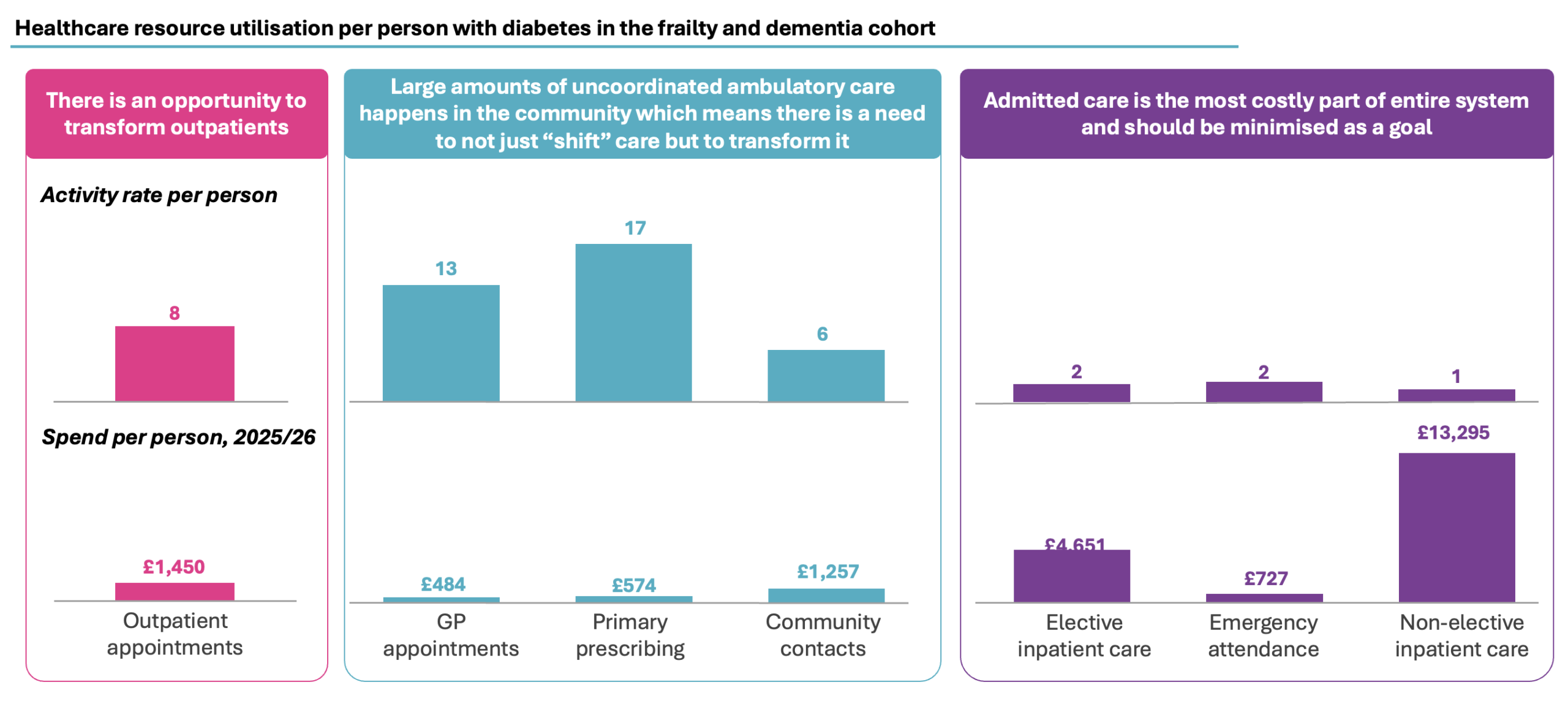
Figure 6 – Average healthcare resource utilisation per person with ongoing needs requiring diabetic outpatient appointments in an example ICS
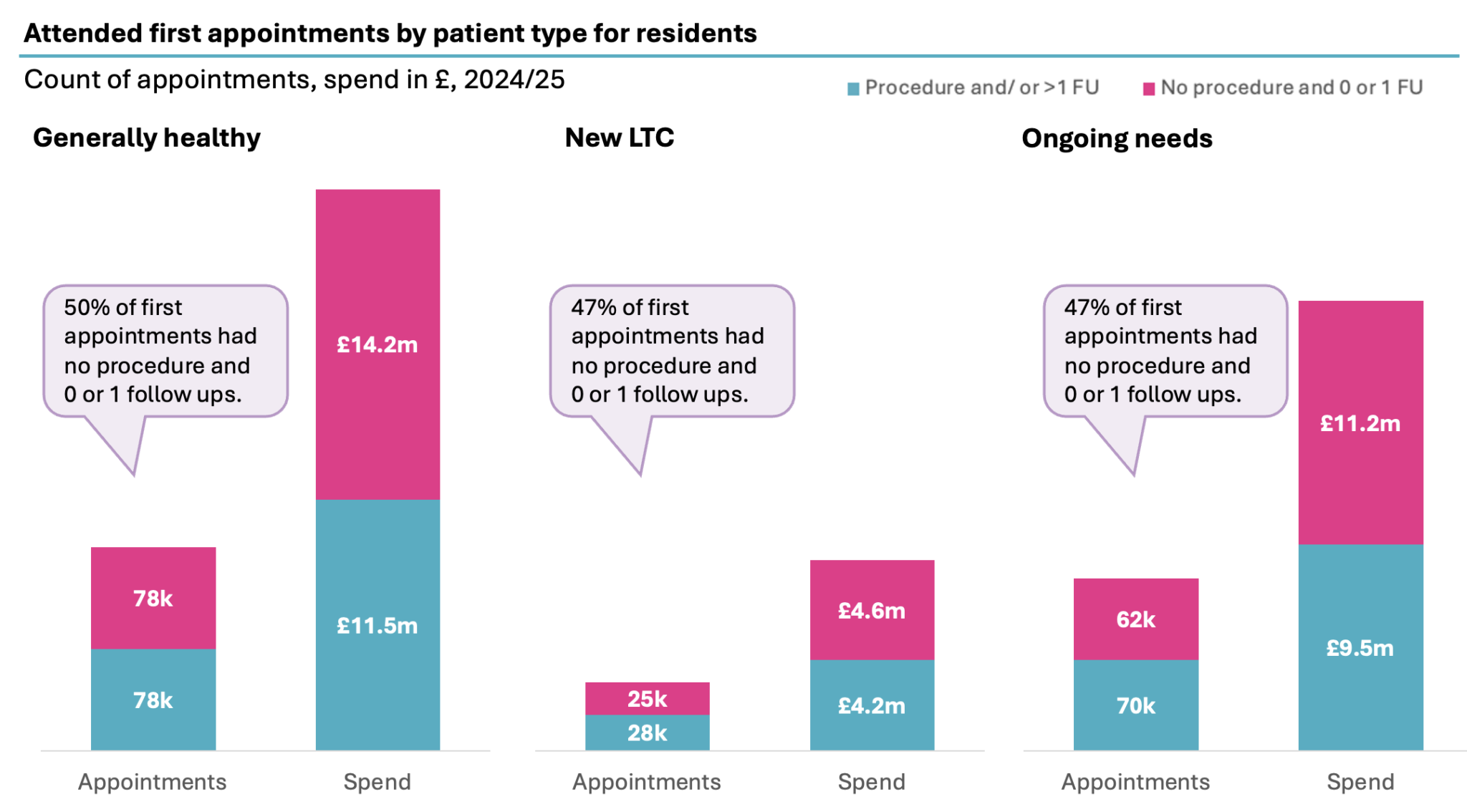
Given the financial constraints commissioners are operating in, avoiding wasteful activity through greater integration presents the opportunity to create headroom without requiring high upfront investment. Taking outpatient care as an example: high rates of first appointments with one or no follow-up indicate high volumes of costly acute care being delivered in cases where it is avoidable. Figure 7 illustrates how 48% of first appointments for residents of a London Borough could be targeted by establishing Single Point of Access pathways to expand advice and guidance and enhancing Straight-To-Test pathways, with significant potential savings in time and resources associated with this.
Your Content Goes Here
Figure 7 – total outpatients spend by patient type for residents in a London borough
Across all three patient types, almost 50% of first appointments did not involve a procedure and were followed by either 0 or 1 follow up appointments. Establishing a SPoA and enhancing STT pathways in 2026/27 would start to transform outpatient models and reduce the volume of unnecessary activity
Step 3 should also involve planning for subsequent phases to ensure infrastructure and clinical-managerial alignment is in place to drive further transformation once the funding becomes available. This may involve accelerated neighbourhood development and building data-driven evaluation for wider transformation once the evidence base is robust.
Step 4: Invest in long-term programmes for sustained gains
The headroom generated in Step 3 should be reinvested in longer-horizon interventions that are proven to manage demand and reduce high-cost activity but take greater time to pay off. These types of interventions offer the most significant upstream health gains, and while their return is slower, planning for them from the outset ensures the headroom created earlier is put to productive use, or earmarked for specific initiatives, rather than reabsorbed into usual pressures.
Two areas offer particularly strong longer-term value: primary prevention, focusing on preventing transition from good health into long-term conditions, and secondary and tertiary prevention (long-term condition management), where optimising single-condition pathways through neighbourhood-level responses adapted to local need can substantially reduce avoidable demand.
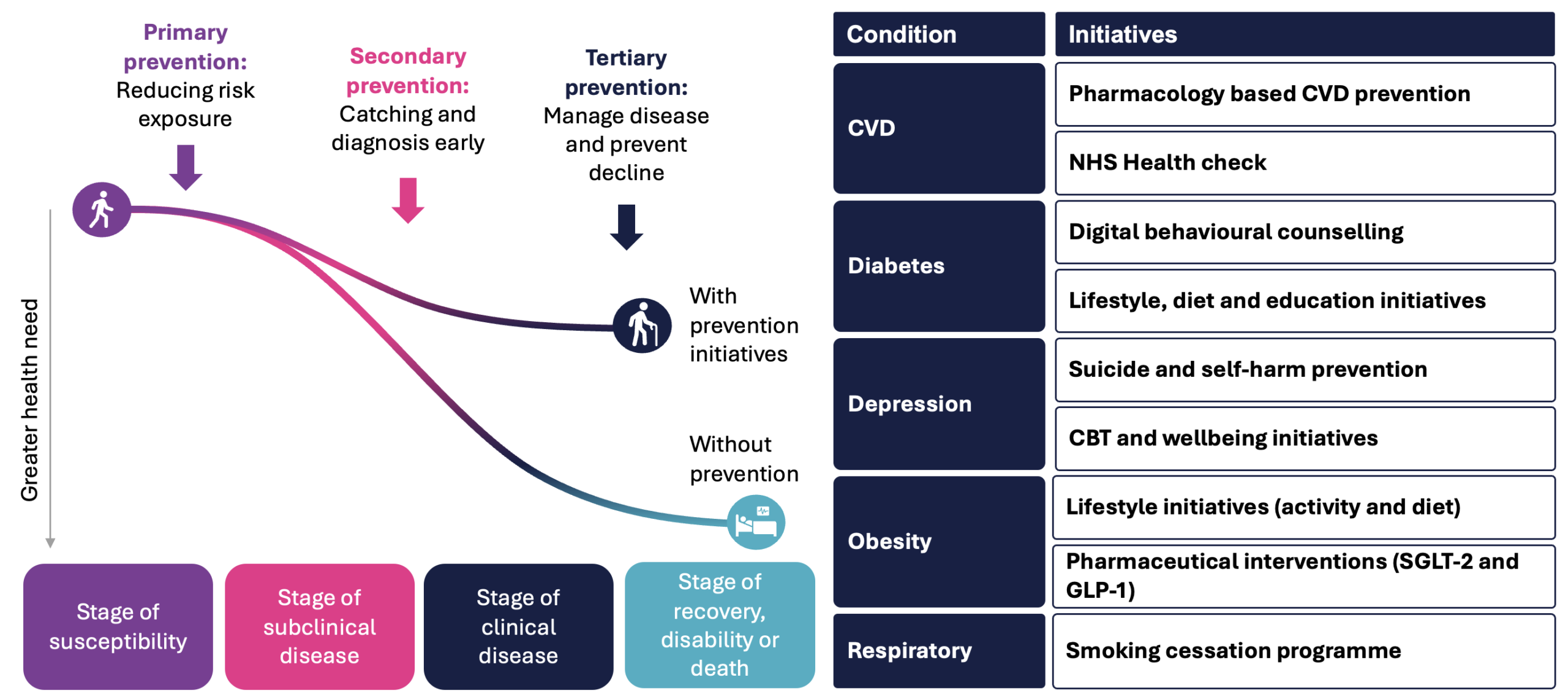
Figure 8 – Prevention approaches follow the patient throughout their health journey, and primary prevention could slow down healthy population developing long-term conditions through various initiatives
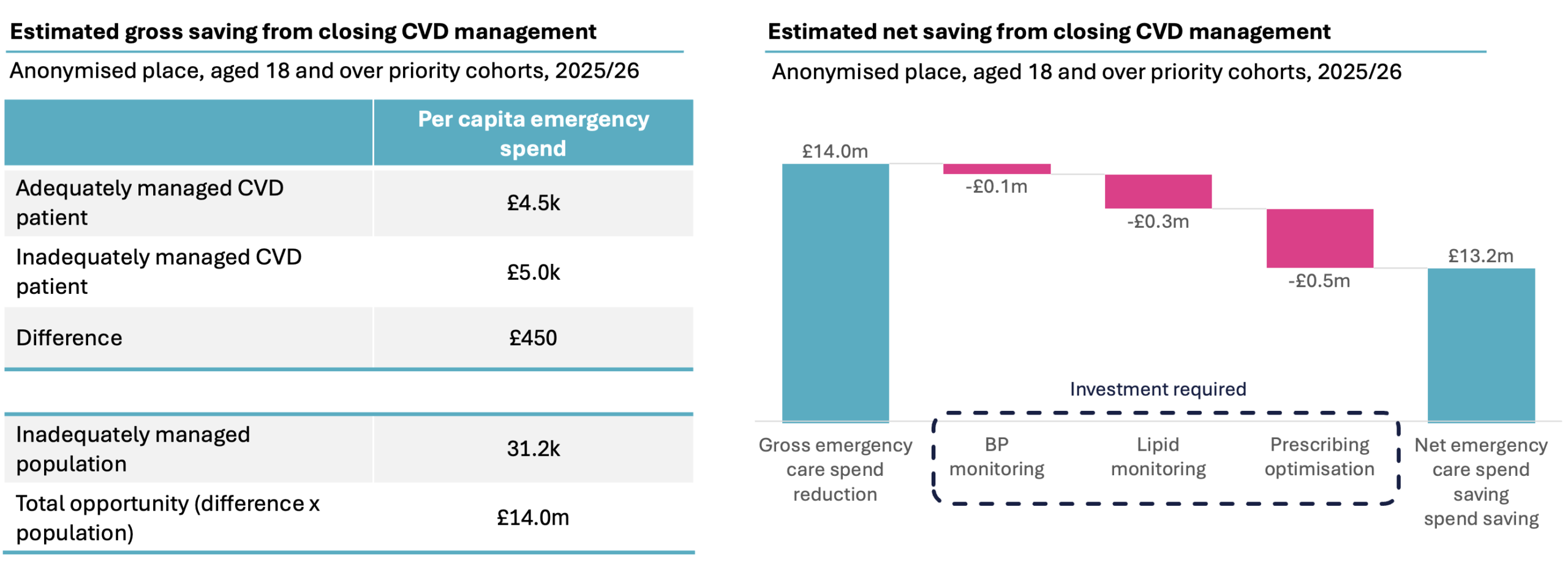
Figure 9 – Proactively managing long-term conditions delivers clear returns, exemplified by a potential £31.7m opportunity from closing the hypertension management gap
A £450 per-patient emergency care (A&E and non-elective inpatients) spend gap between adequately and inadequately managed CVD patients, applied across the 31.2k inadequately managed population in anonymised place, yields a £14.0m gross opportunity. Capturing it requires £0.8m of investment across BP monitoring (£0.1m), lipid monitoring (£0.3m), and prescribing optimisation (£0.5m), leaving £13.2m net saving.
Prevention and long-term condition management approaches should be planned from the outset, with generated headroom funding pilot programmes or small-scale rollouts even while returns remain years away; this is especially true for primary prevention, which offers the greatest upstream health gain of all, but has the longest return on investment. The key judgement for commissioners is therefore sequencing; they must balance the longer-term investment against the immediate pressures of Step 3.
Step 5: Evaluate outcomes against the intended objectives, to determine continued programme funding
Evaluation is an essential step. Without it, commissioning becomes a one-way activity in which services are designed, contracted and delivered, but rarely systematically reviewed against the outcomes they were meant to achieve.
The Value in Health series developed by CF and NHS Confederation highlights investments being made in interventions that actually have a negative return on investment (ROI); robust assurance mechanisms that track whether investment is delivering the intended improvement is critical to avoid wasting limited resources.
A robust evaluation stage measures service performance and outcomes against the original opportunity analysis, incorporates service-user lived experience alongside quantitative measures, and feeds intervention impact assessment back into future commissioning decisions. Crucially, evaluation is not the end of a linear process: it feeds back into the understanding and analysis of the local population, refreshing the population view and surfacing new opportunities.
Key enablers
The stages set out above all require a series of common enablers for success:
- Integrated data is key to be able to create a detailed view of utilisation by segment to inform design and feed into evaluation dashboards to support ongoing decision-making; a mature digital infrastructure with the tools to support innovative ways of working is a fundamental aspect of creating services that are fit for the future.
- Genuine clinical engagement rather than token consultation is also crucial so that pathways can be designed based on lived experience and have the clinical buy-in required for enduring change
- Meaningful public and community involvement is essential to ensure new models of care are designed around genuine population needs and preferences
- Payment models must be reformed to support successful roll out of new models of care and incentivise the desired outcomes
- Investing in growing and upskilling teams to ensure organisations have the capacity and capabilities needed in line with the NHSE strategic commissioning framework needs to accompany pathway and process transformation to enable sustainable improvements.
Conclusion
The current trend in NHS spending is unsustainable and not aligned to population health needs; without deliberate action, the system faces a genuine crisis. Most fundamentally, patients are not getting the care they need when they need it: satisfaction has collapsed from 70% to 21%, waits have grown and quality is suffering as organisations focus on immediate pressures rather than transformation that addresses root cause drivers. Costs will continue rising without corresponding improvements unless there is radical change with early steps taken now.
Discussions with providers, integrated care boards, policymakers and patients paint a clear picture: the challenges facing the NHS require a shift from waiting for transformational funding to generating headroom from within existing resources. The approach outlined in this article offers a practical framework for sequenced transformation that delivers value to commissioners and providers while, most importantly, improving patient care across the life course.
About CF
CF is a leading consultancy dedicated to making an enduring impact on health and healthcare. We work with leaders and frontline teams to improve health, transform healthcare, embed life science innovation and boost growth through investment. With unmatched access to UK healthcare data and award-winning data science expertise, our team are a driving force for delivering positive and meaningful change.
About the authors

Hannah Farrar
Hannah is one of the CF founders. She is the Chief Executive and continues to deliver client services acting as the Accountable Partner or Expert Partner on engagements. Hannah has an exceptional track record of delivering transformational change. She provides in-depth experience of strategy development and delivery, organisational development and change, financial and economic analysis, building capability and motivation, and navigating complex local and national politics. She provides leadership across the breadth of our client services.

Phil Livingstone
Phil is an Associate Partner at CF, leading our work with Integrated Care Systems. He brings over 10 years of consulting experience with NHS commissioners, providers and care systems, working at place, provider collaborative and system-wide levels. He helps clients connect population need with strategic priorities, care model design and collaborative working, and also supports population health management and organisational design.

India Triay Palazuelo
India is a Senior Consultant at CF with a track record of supporting national and system-level service review, redesign and reconfiguration work across the NHS – from strategy development through to implementation. She leads analytical and engagement workstreams, builds the evidence base for cases for change, and works closely with clients to turn data into decisions. She also has experience supporting organisations in recovery and designing approaches that can be repeated and scaled.

Katie Maloney
Katie is a Consultant at CF. She works with analysts and commissioners across ICBs on population health management, supporting the adoption and understanding of digital tools and data literacy to improve commissioning decisions. She has worked with national guidance, academic evidence, and stakeholder insight to develop national-level research, as well as supporting with system-wide redesign of care pathways.